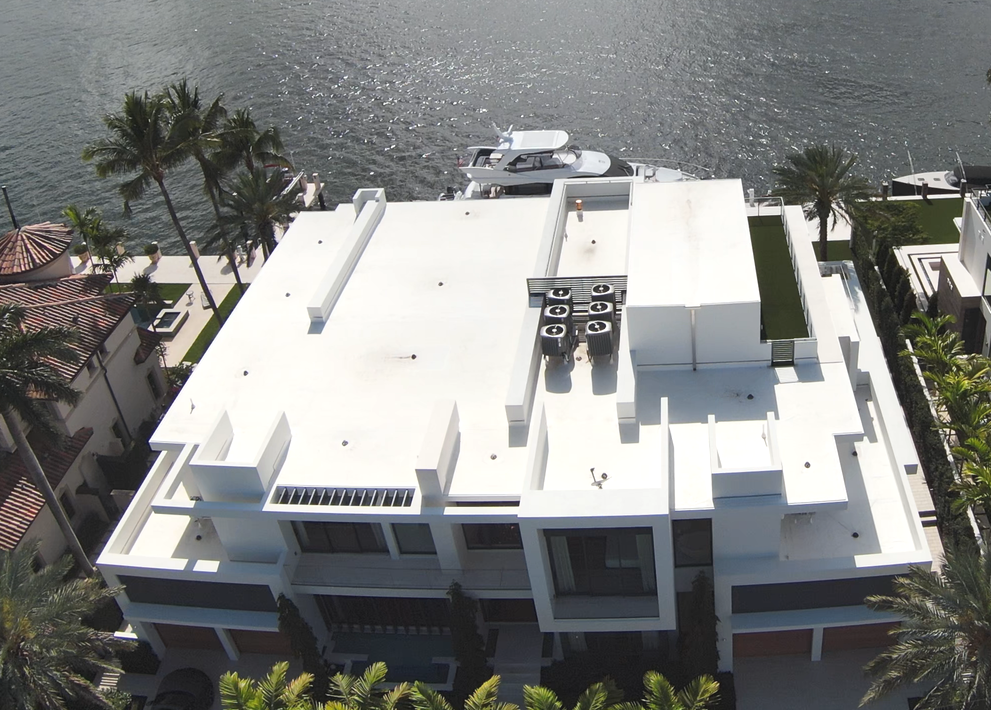
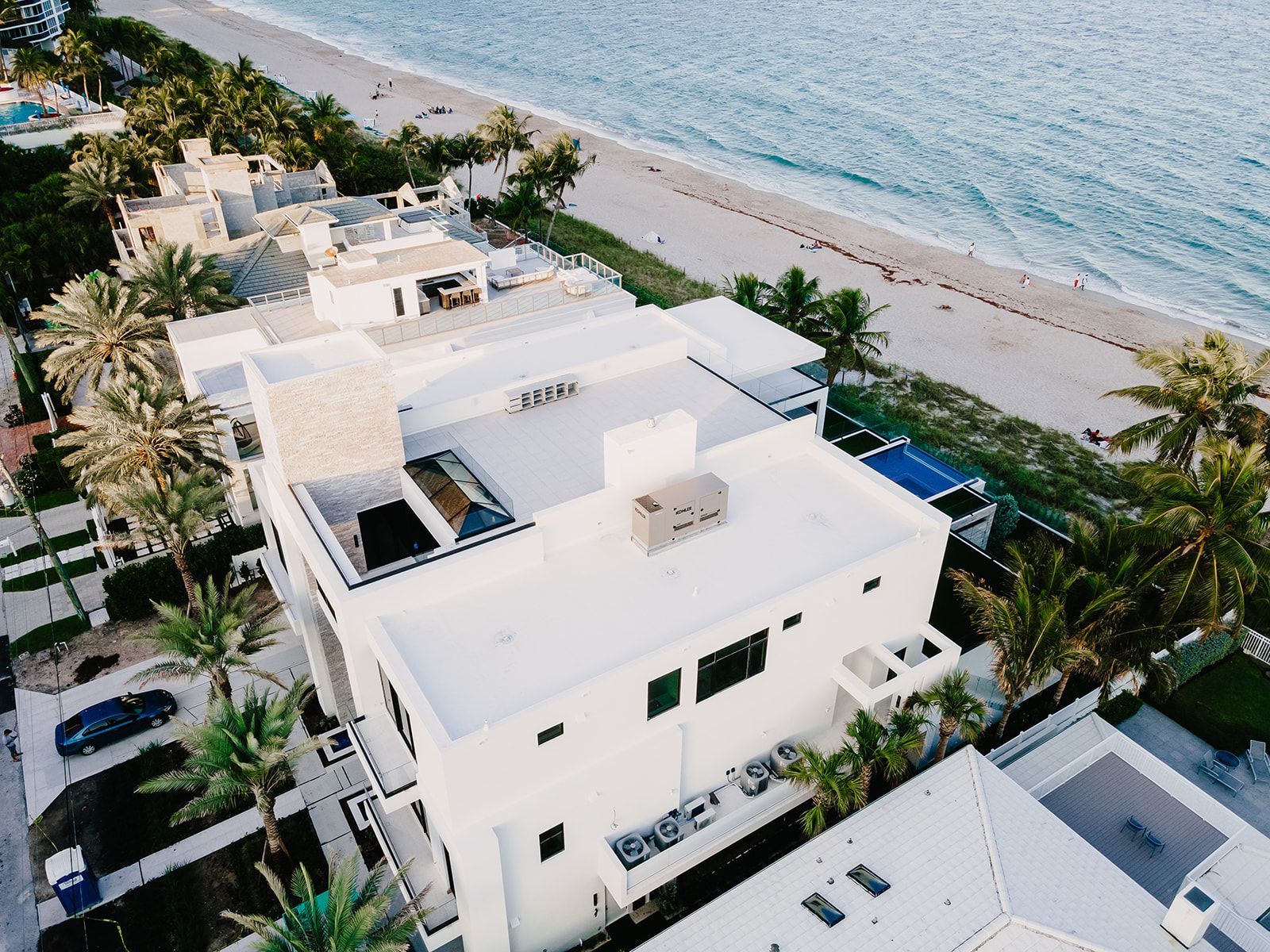
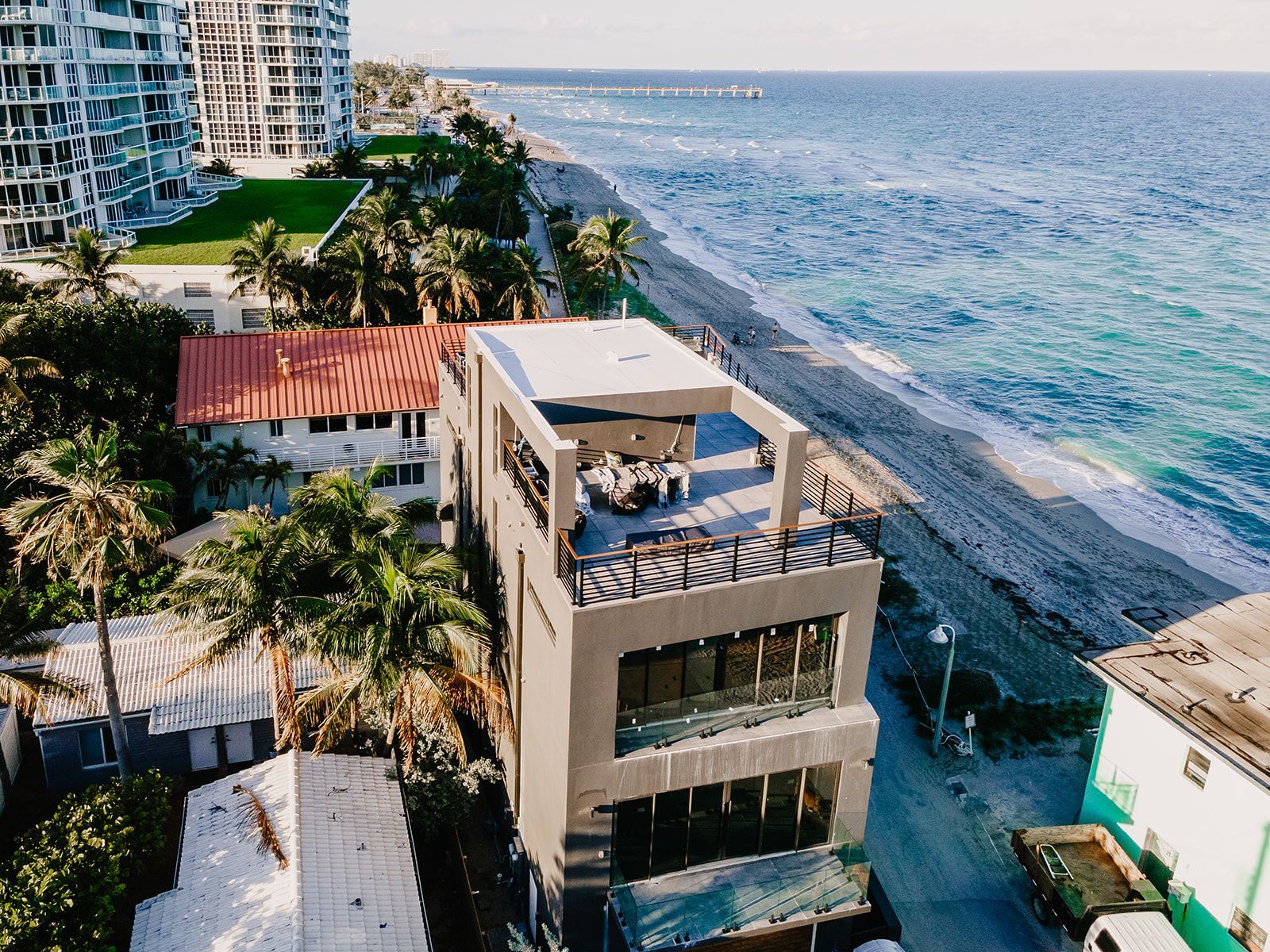
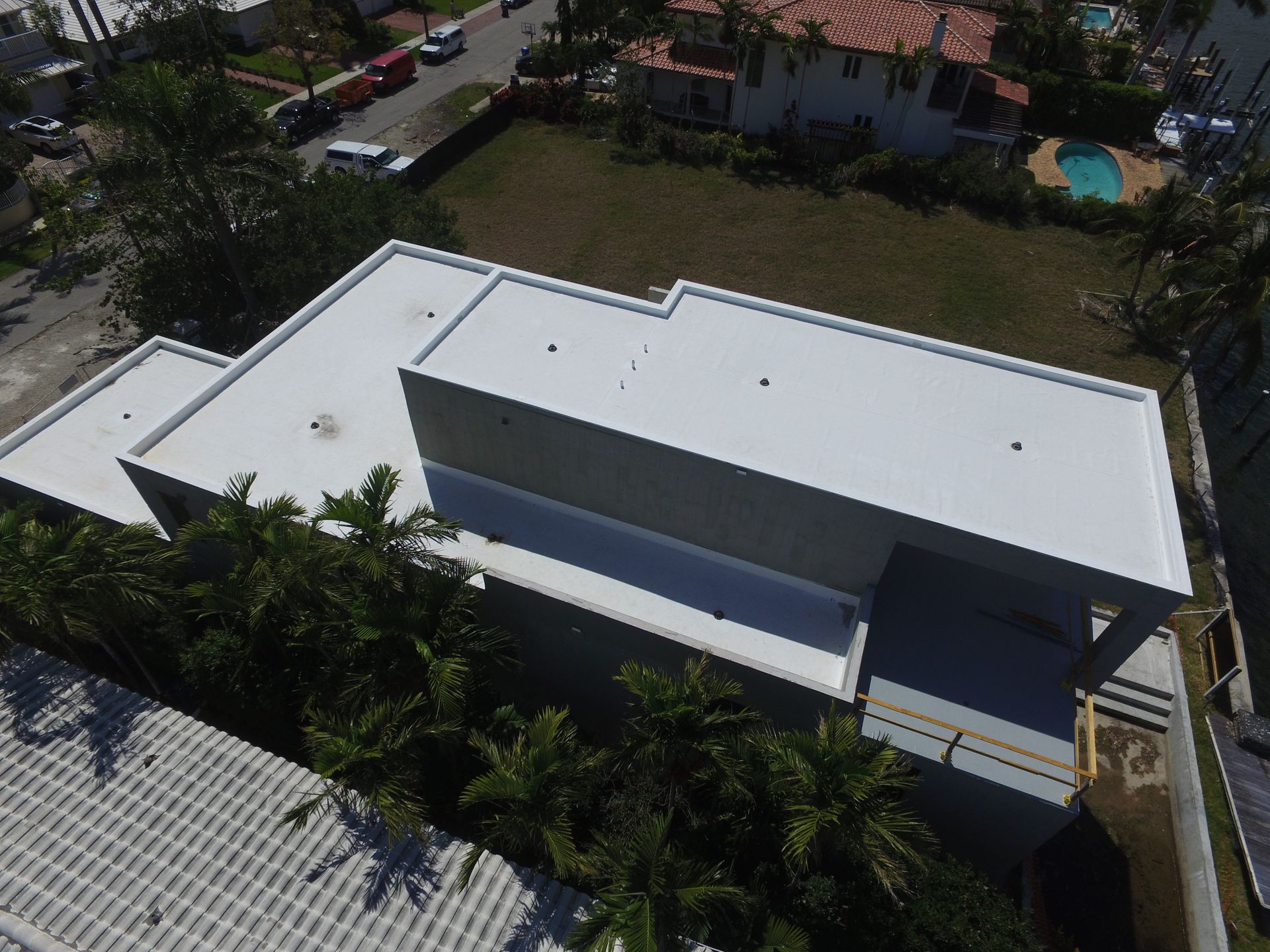
Flat & TPO
FL
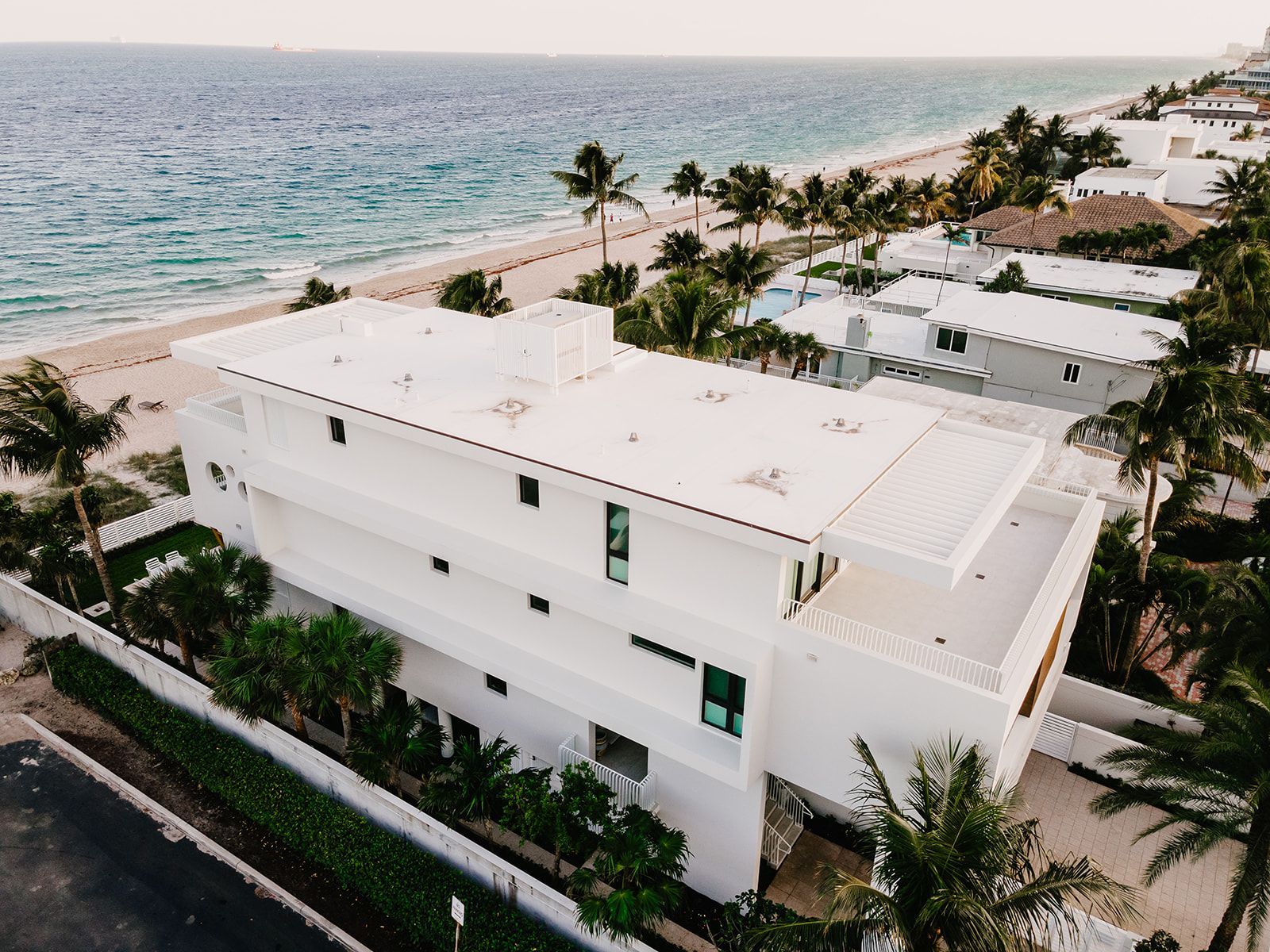
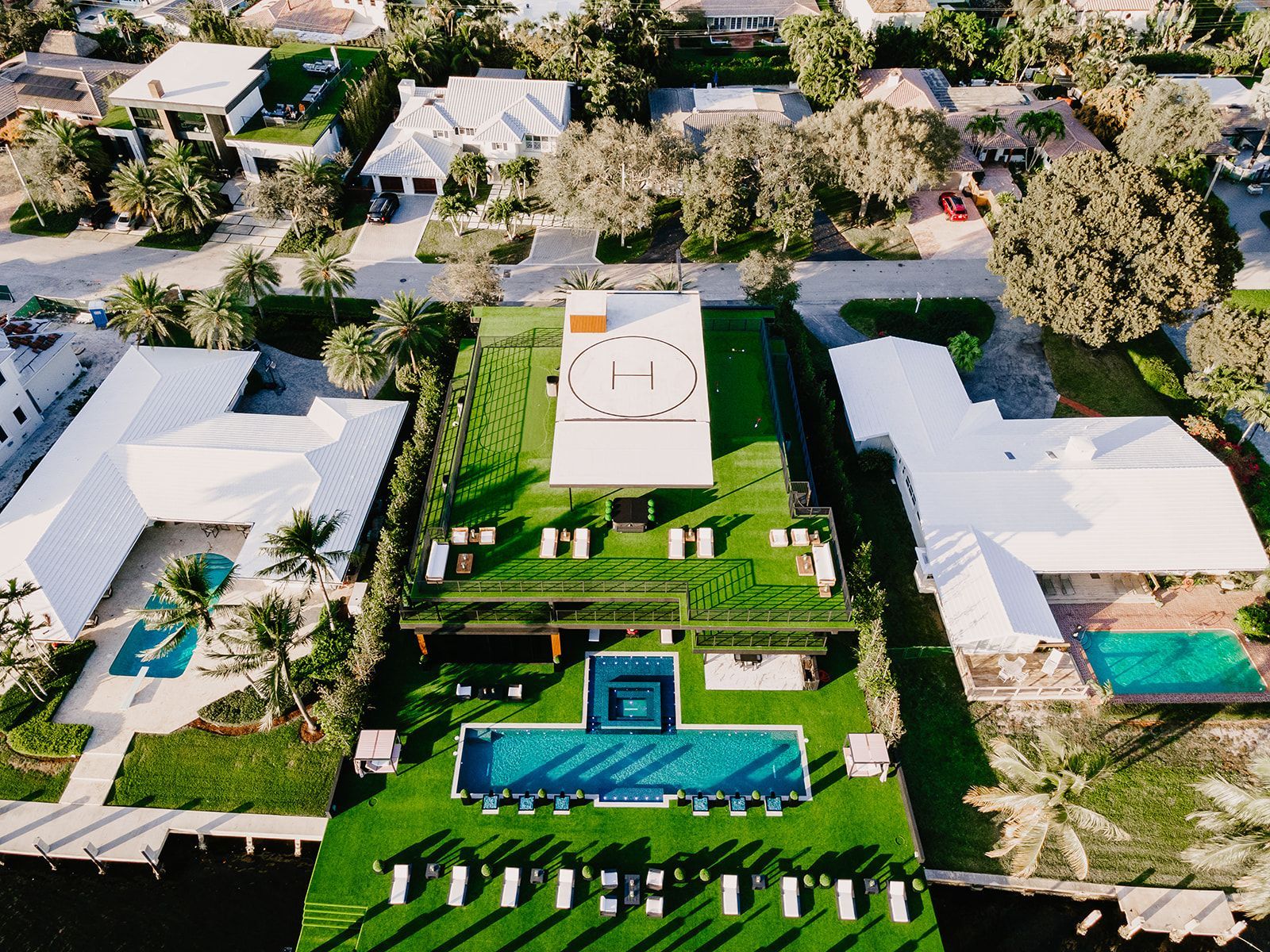
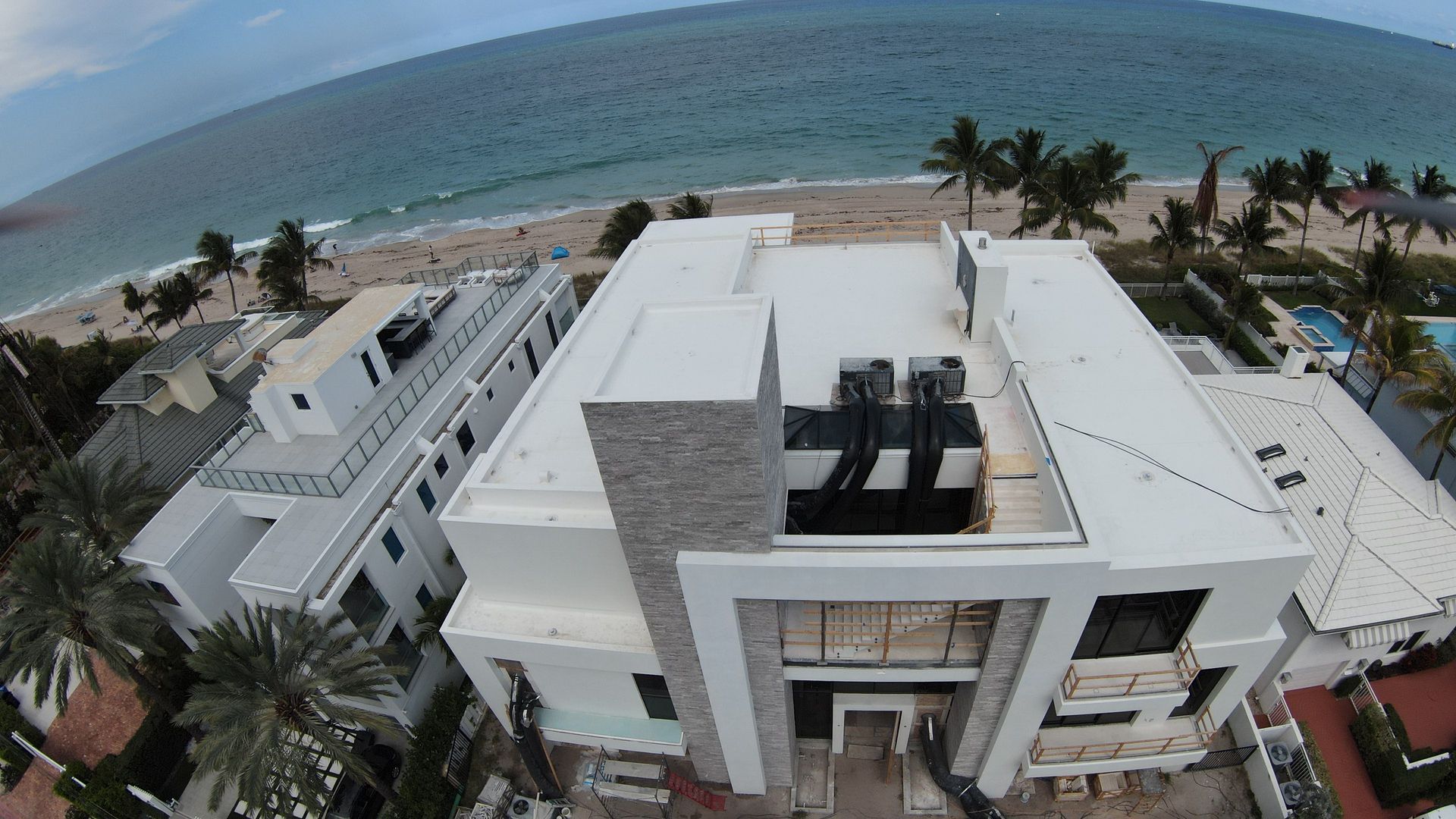
TPO Custom Homes
Custom homes often utilize various roofing systems, and one popular option is TPO (Thermoplastic Olefin) roofing. TPO roofs are single-ply membranes that offer several advantages for residential construction. Here's some information about TPO roof systems:
- Material: TPO roofing membranes are made from a blend of polypropylene and ethylene-propylene rubber. These materials provide excellent durability, flexibility, and resistance to UV rays, ozone, and chemical exposure.
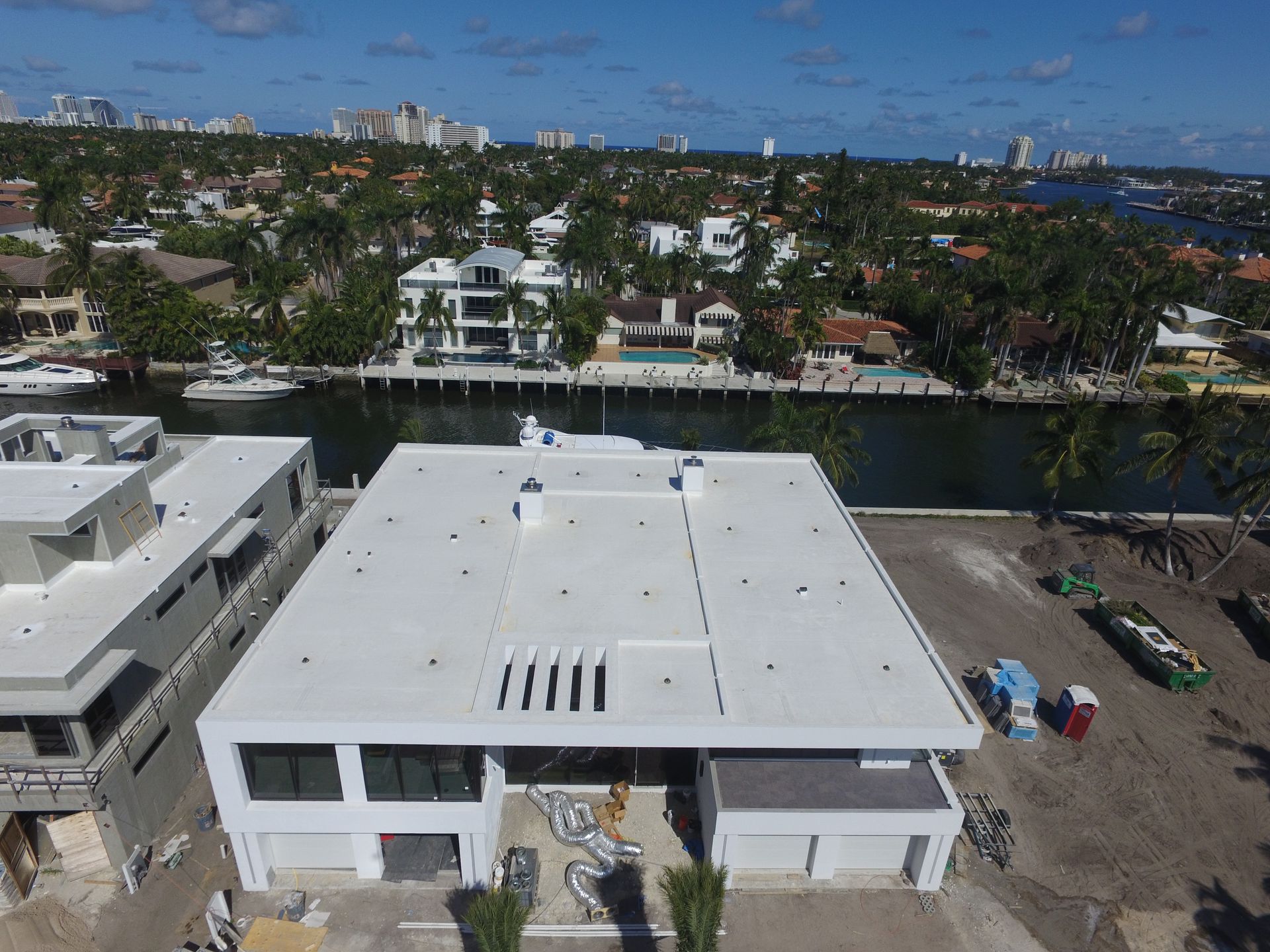
- Energy efficiency: TPO roofs are known for their energy-saving properties. They have high reflectivity, meaning they can reflect a significant amount of sunlight, reducing heat absorption and keeping the interior of the home cooler. This can result in lower energy costs for cooling during hot weather.
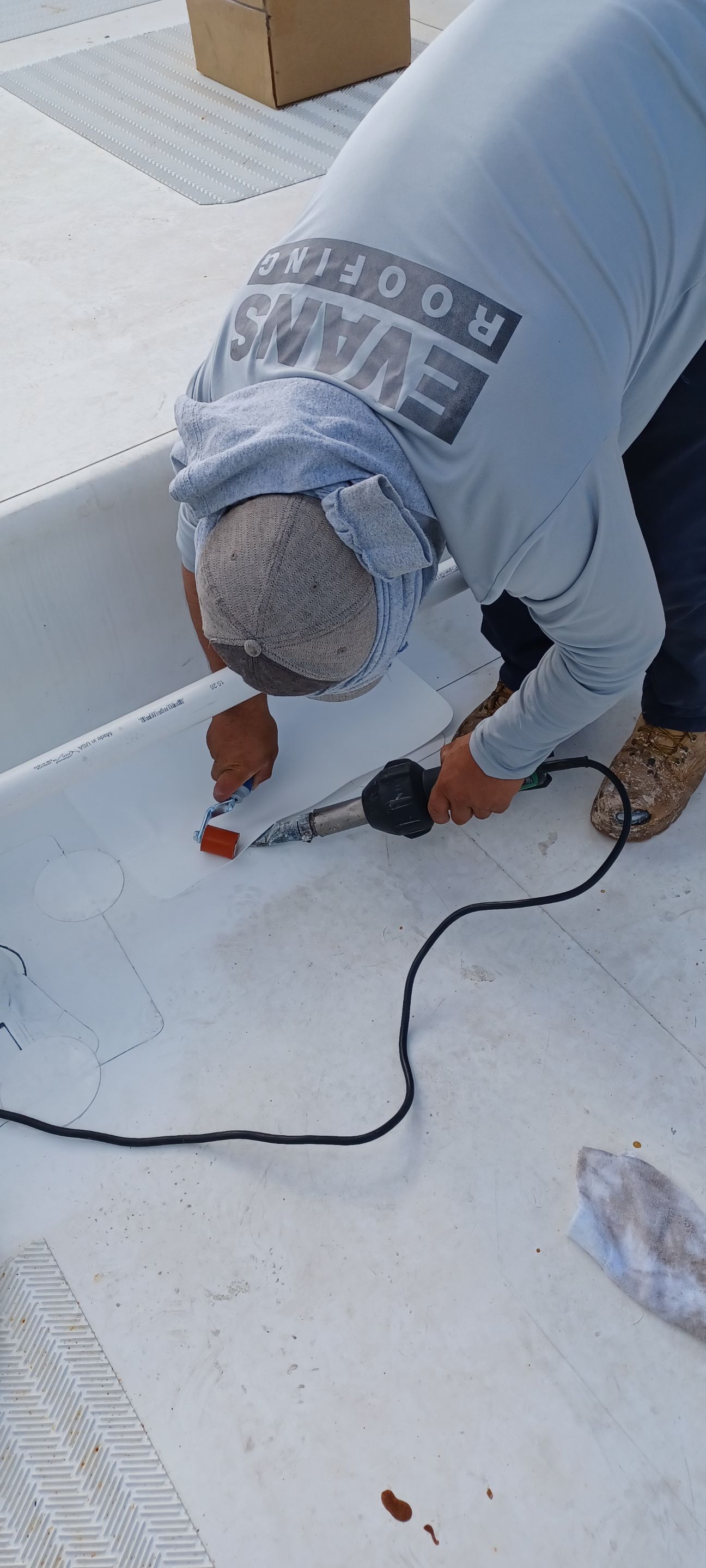
- Installation: TPO roofs can be installed in different ways, including fully adhered, mechanically attached, or ballasted systems. The installation method depends on factors like the building's structure, climate conditions, and design preferences.
- Durability: TPO roofs are designed to be highly durable and resistant to punctures, tears, and impact damage. They can withstand extreme weather conditions, including high winds, hail, and temperature fluctuations.
- Maintenance: TPO roofs require minimal maintenance. Regular inspections and cleaning of debris are typically sufficient to keep the roof in good condition. It's important to address any issues promptly to prevent potential damage.
- Cost-effectiveness: TPO roofing is often considered cost-effective compared to other roofing systems. The material itself is relatively affordable, and the installation process is typically straightforward, which can help reduce labor costs.
- Environmental impact: TPO roofs are considered environmentally friendly. They are recyclable, which means they can be repurposed at the end of their lifespan. Additionally, their energy-saving properties contribute to reduced carbon emissions.
Understanding How Flat and TPO Roofing Systems Work
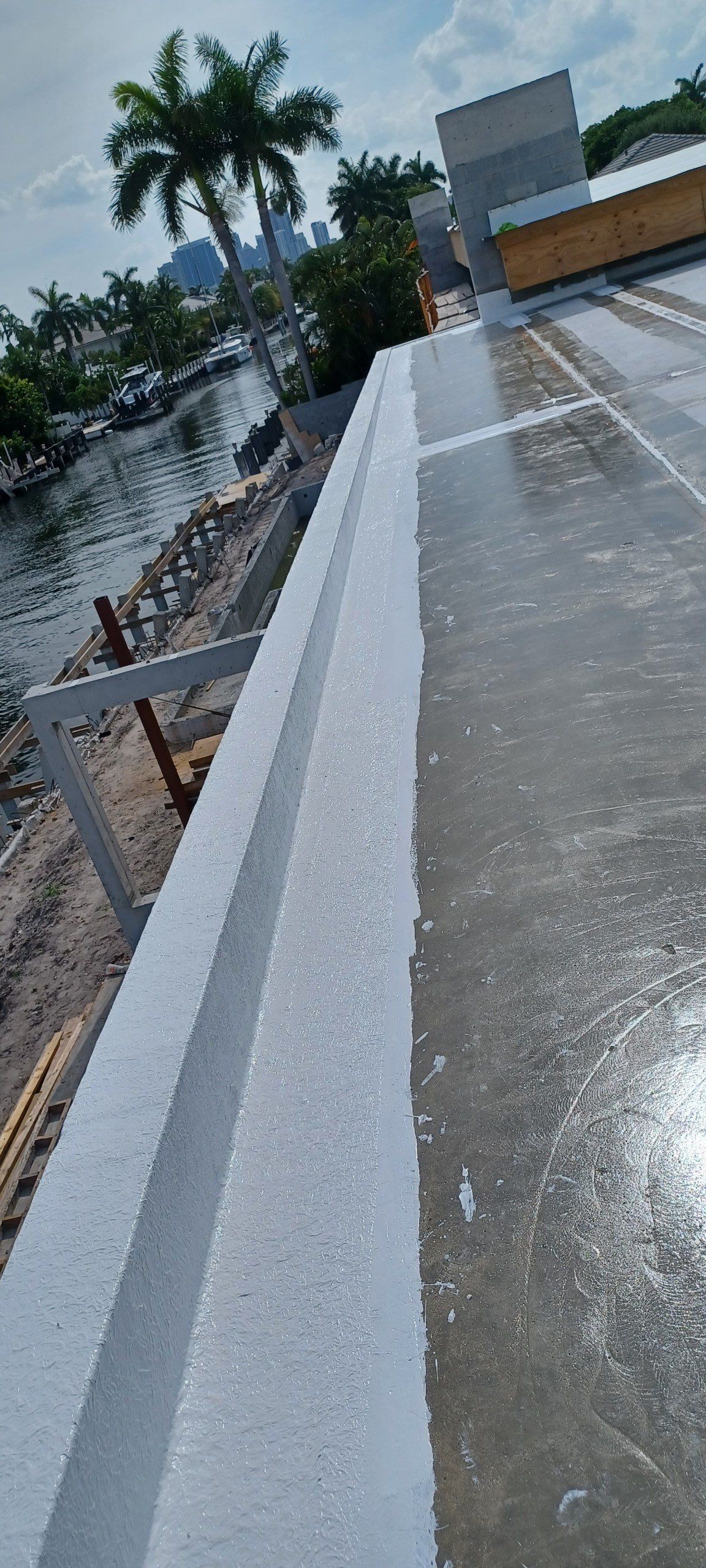
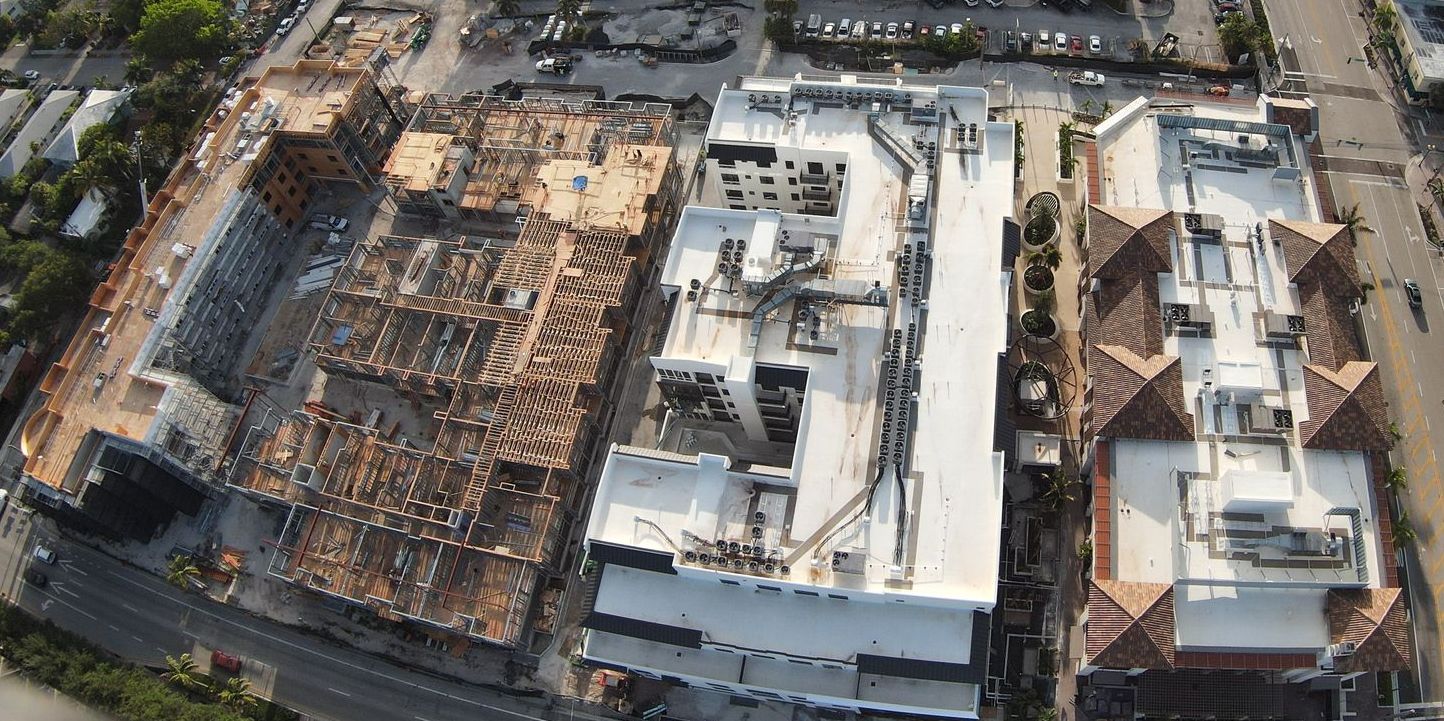
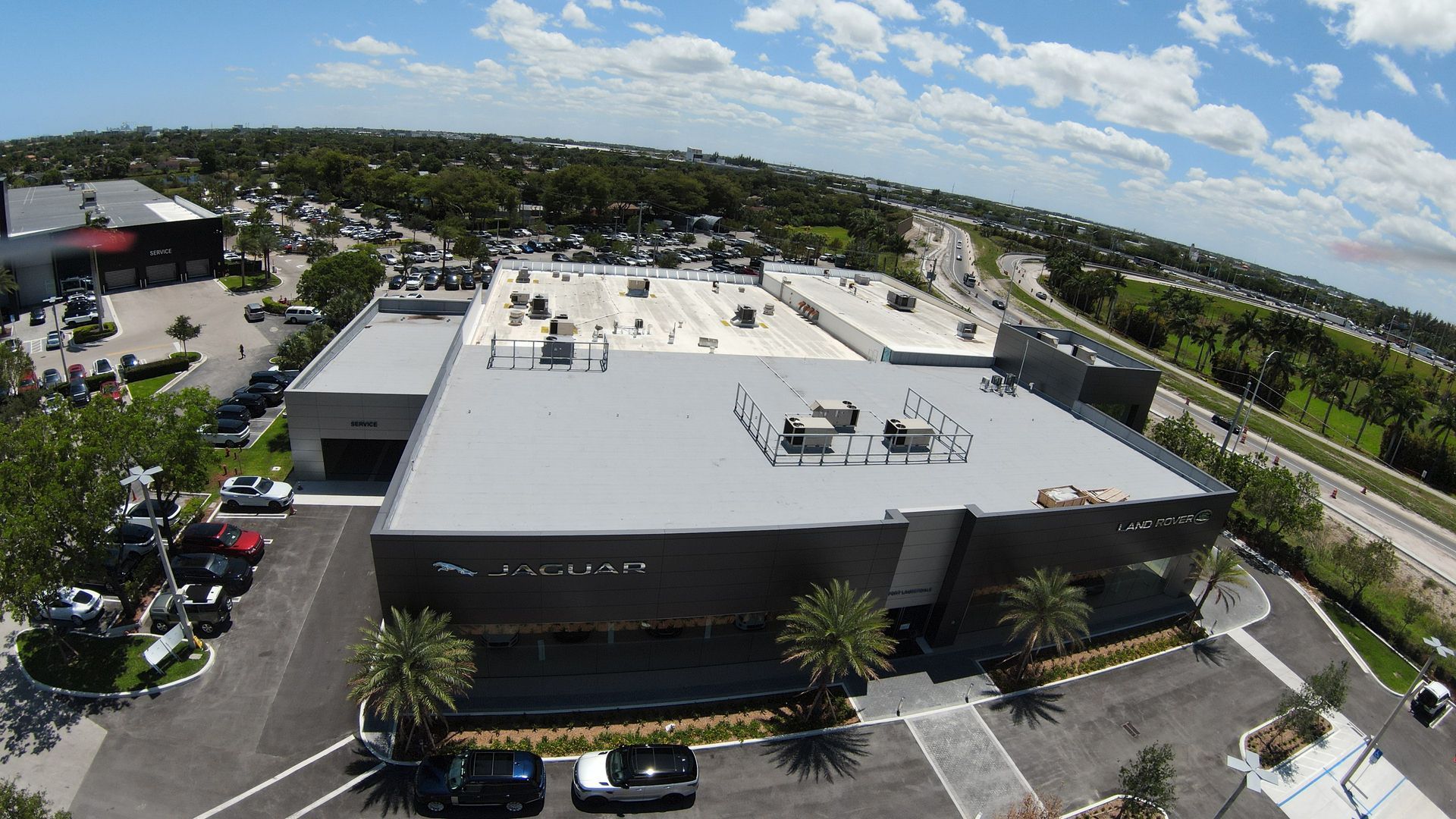
Flat and low-slope roofs require specialized materials and installation techniques to perform well over time. Unlike steep roofing systems, these roofs rely on carefully designed membranes and drainage strategies to move water away from the structure. TPO membranes are commonly used because they create a smooth, continuous barrier that helps protect the building from moisture, sun exposure, and daily wear.
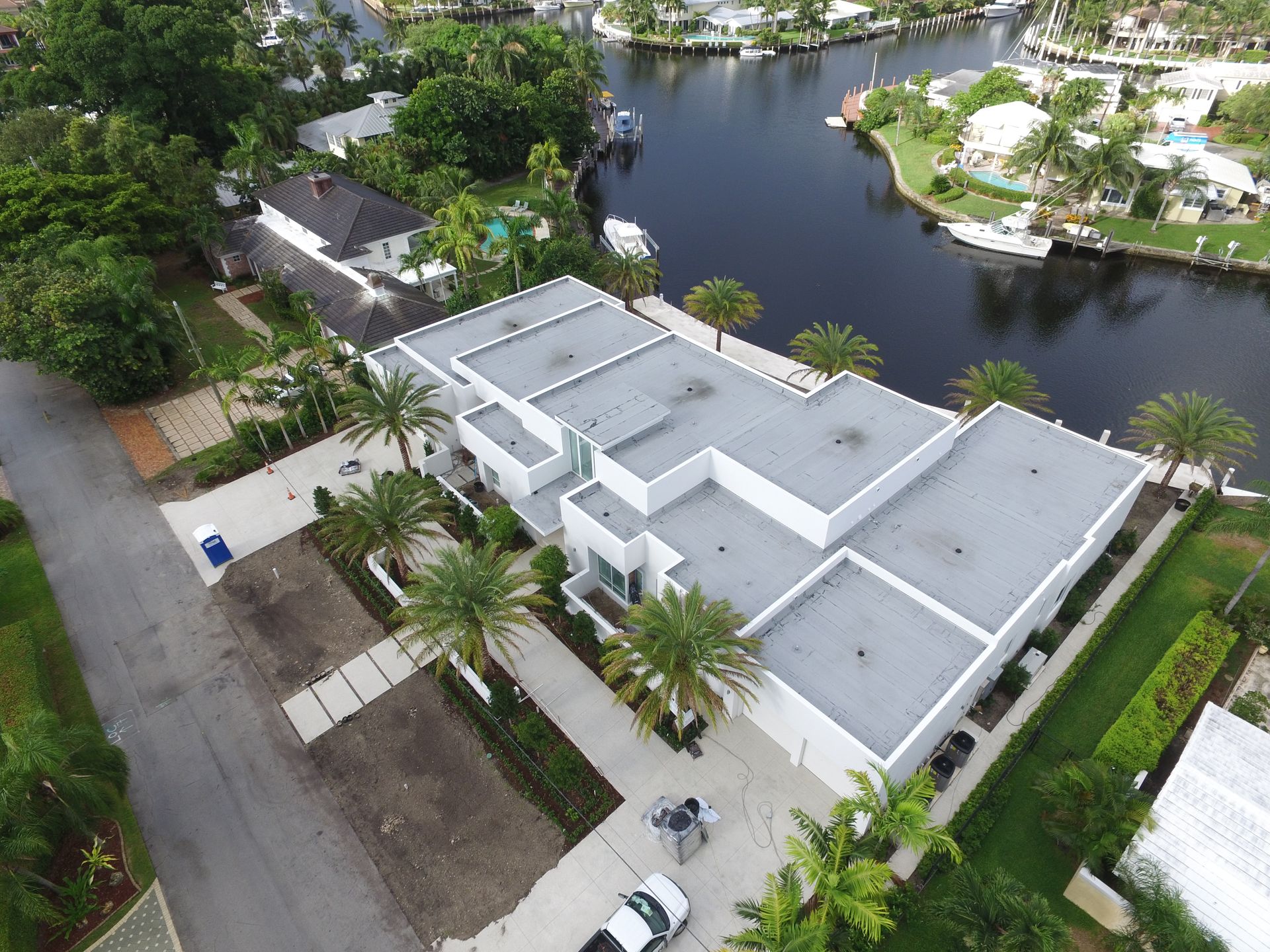
These roofing systems are often seen on modern residential designs and custom home builds. In many cases, flat roofing areas are combined with other roof styles to create architectural variety. Because of this, homeowners interested in custom roofing in FL often explore flat and TPO options as part of a broader roof design that includes different materials and slopes.
Why Flat Roofing Designs Are Popular for Modern Homes
Flat roofing systems have become increasingly popular in residential architecture, especially for contemporary homes. Their clean lines and simple appearance complement modern building styles while also allowing for creative layouts. Flat sections can be used to highlight certain parts of the structure, such as entryways, garages, or additions.
For homeowners exploring custom roofing in FL, flat roof areas can provide flexibility during the design phase. Architects often incorporate them into projects where unique shapes or multi-level layouts are part of the vision. When properly constructed, these systems offer dependable protection while contributing to the overall character of the home.
How TPO Roofing Supports Long-Term Performance
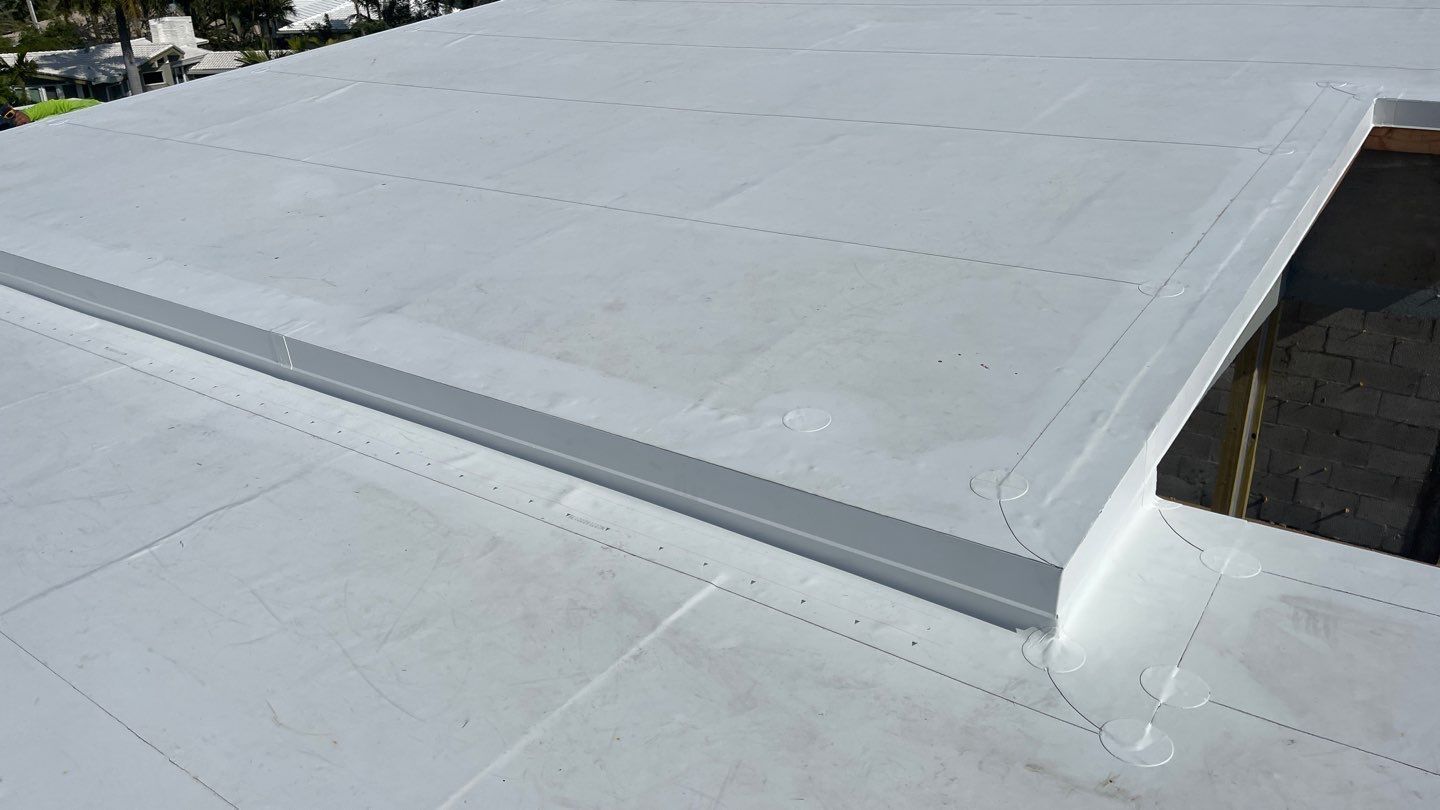
TPO membranes are designed to create a continuous protective surface across flat roofing areas. Because the material is flexible, it can adapt to slight structural movement without cracking or splitting. This flexibility plays an important role in helping the roofing system handle temperature changes and everyday environmental stress.
Many property owners interested in custom roofing in FL appreciate how TPO membranes balance durability with practical maintenance needs. The smooth surface helps resist dirt buildup and reflects sunlight, which can contribute to a cooler roofing surface during warmer months.
TPO systems are often selected for their ability to provide dependable protection while maintaining a relatively lightweight roofing structure.
Combining Flat Roof Areas with Other Roofing Materials
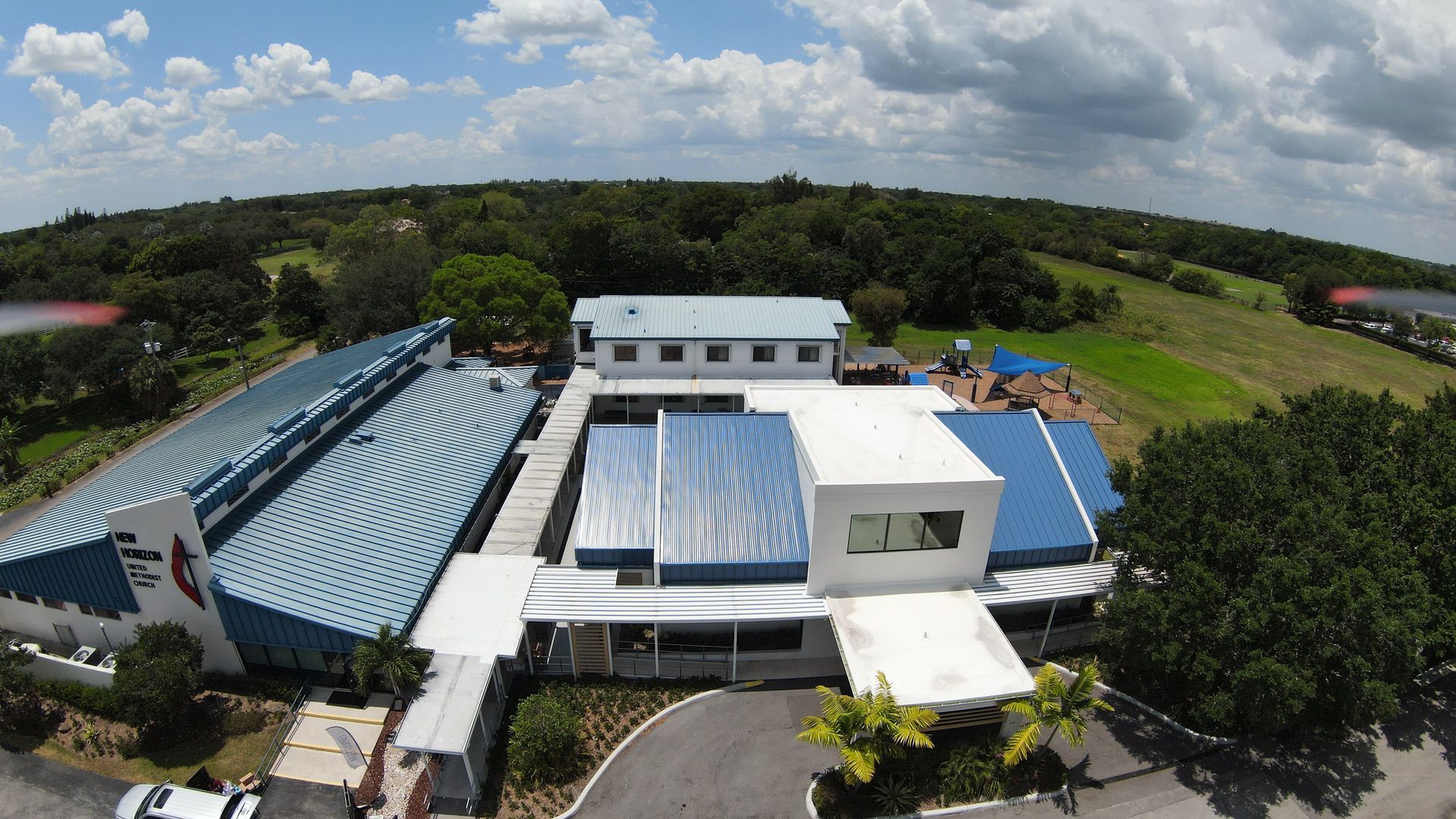
Residential roofing projects sometimes incorporate multiple materials to create both visual interest and practical performance. Flat roofing sections may be paired with tile roofs, metal systems, or traditional shingles depending on the design of the home.
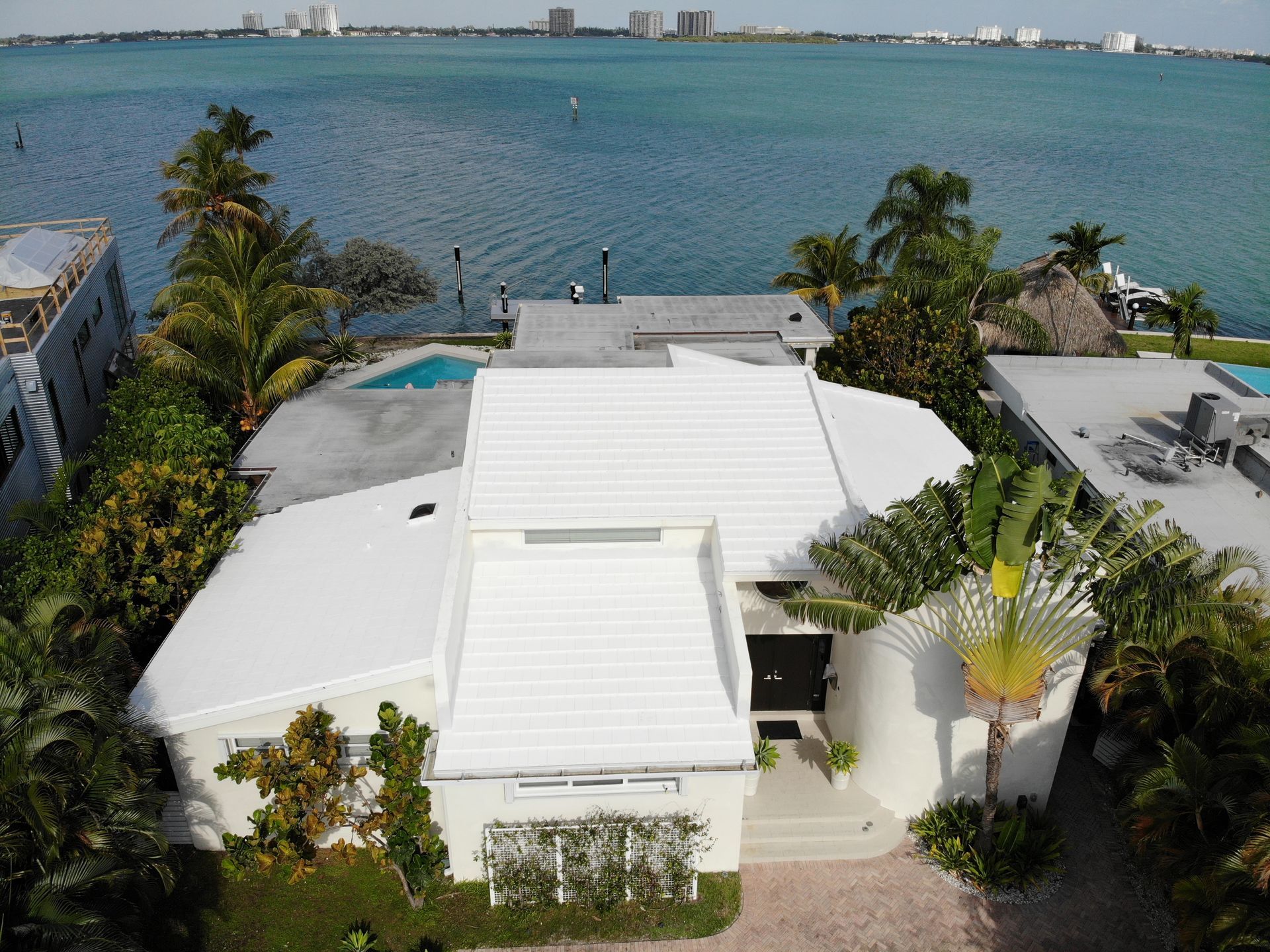
For example, a home may feature a sloped tile roof across the main structure while using TPO membranes for porch coverings or modern architectural sections. This layered approach is often seen in projects involving custom roofing in FL because it allows different materials to serve specific functional roles.
Common combinations may include:
- Tile roofing paired with flat TPO sections
- Metal roof features alongside low-slope areas
- Shingle systems integrated with modern flat designs
Blending materials this way allows homeowners to enjoy both traditional and contemporary roofing styles within a single structure.
Maintaining Flat and TPO Roofing Systems Over Time
Like any roofing system, flat and TPO roofs benefit from regular inspections and basic maintenance. Periodic checkups allow professionals to identify small concerns before they develop into larger problems. Keeping drainage areas clear and monitoring seams or flashing can help extend the life of the roofing system.
Many homeowners interested in custom roofing in FL find that simple maintenance routines go a long way toward preserving their roof’s performance. Because flat roofs rely on proper drainage, ensuring that water flows correctly is one of the most important parts of upkeep.
Maintenance practices may include:
- Inspecting seams and membrane surfaces for wear
- Clearing debris from drains and roof edges
- Monitoring areas that experience frequent water flow
With consistent care, flat and TPO roofing systems can remain a reliable part of a home’s overall roofing design for many years.
When considering a TPO roof for a custom home, it's advisable to consult with roofing professionals or contractors who have experience with TPO installation. They can provide guidance on the specific requirements for your project and ensure proper installation to maximize the benefits of the TPO roofing system.
For more information from the team for custom roofing FL relies on, contact us at Saint Vincent Master Roofers today!